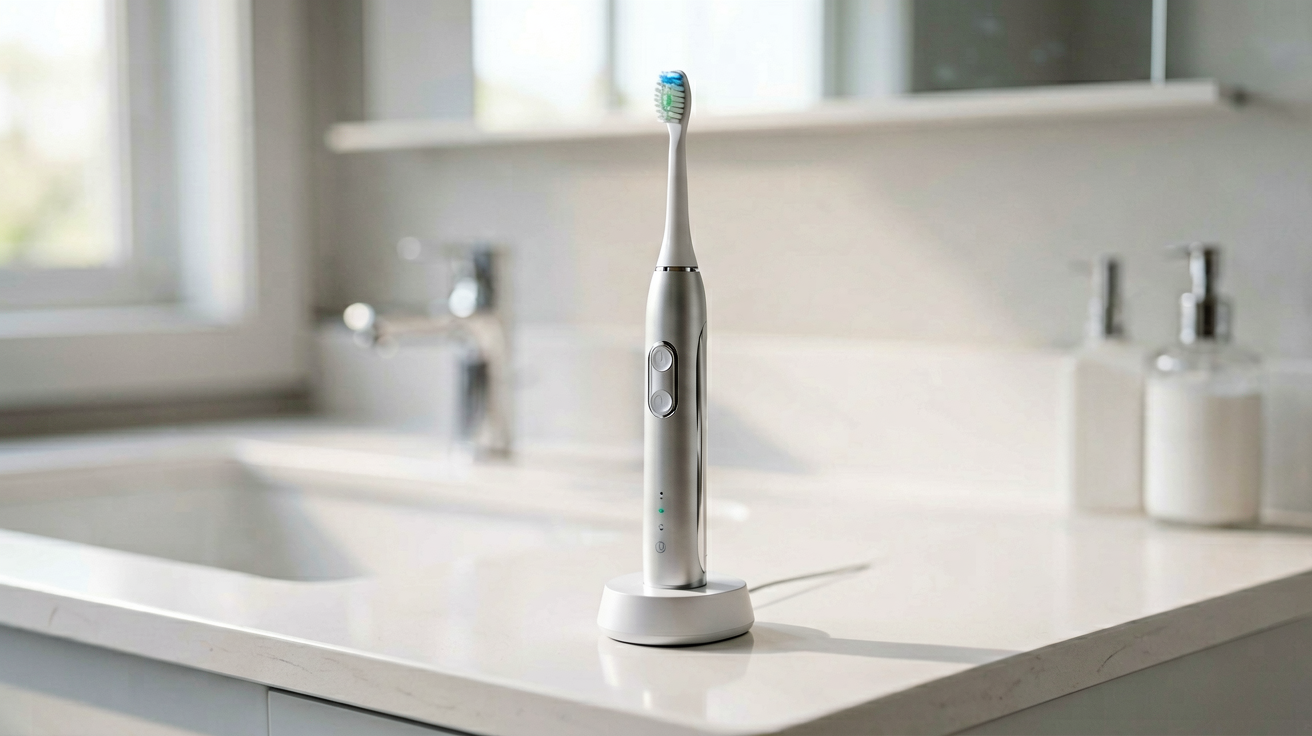
Best Electric Toothbrushes Under $50 for a Cleaner Smile in 2026
Three electric toothbrushes under $50 that actually clean better than manual. Real prices, real ratings, and honest notes on battery life, brush heads, and who each model is wrong for.
Quick Verdict: The best electric toothbrush under $50 for most people in 2026 is the Philips Sonicare 4100 at $34.99 with a 4.4 star rating from nearly 9,500 reviews. It delivers sonic cleaning power, a pressure sensor that protects your gums, and a battery that lasts over two weeks. For a budget-friendly alternative, the Oral-B Pro 1000 at $49.94 with 4.5 stars from nearly 20,000 reviews offers oscillating-rotating cleaning that feels more aggressive on plaque. For the lowest price without skimping too much, the Onlyone Electric Toothbrush at $8.98 with 4.5 stars from over 3,800 reviews covers the basics cleanly.
FTC Disclosure: ShoppingShare participates in the Amazon Associates Program and the Skimlinks network. We may earn a commission on qualifying purchases made through the links below, at no extra cost to you. This does not influence our assessment.
Why Switching to Electric Changes Everything
I used to brush by hand for years. My dentist always said I was doing fine, but my last cleaning felt like they were scraping away stubborn buildup in spots I never reached well. That changed the moment I picked up an electric toothbrush. The difference was not subtle. My teeth felt cleaner immediately, and within a few weeks my gums stopped bleeding during flossing. The built-in timer forced me to brush longer than I ever had manually, and the consistent motion did work I could not replicate with my wrist alone.
If you have been brushing by hand and wondering whether an electric brush justifies the cost, the short answer is yes. You do not need to spend $150 or more to see a real difference. Three models under $50 earned their spots here because they each solve the same basic problem differently. All three are currently available on Amazon with solid ratings. All three come with at least one brush head in the box. The choice between them comes down to whether you prefer sonic vibration, oscillating scrubbing, or simply the lowest possible price for something that works.
What Actually Matters in a Budget Electric Toothbrush
Price is the obvious filter. But once you are under $50, the real differentiators are brush head cost, battery life, cleaning modes, and whether the brush includes a pressure sensor. Cheap replacement heads add up fast. A brush that costs $40 but requires $15 heads every three months is not cheaper than a $30 brush with $5 heads. Battery life matters more than people admit. If your brush dies after four days, you will either carry a charging case everywhere or go back to manual temporarily. Both break the habit.
Cleaning modes are another area where brands cheat. Some brushes label five modes but the differences are barely noticeable. What matters is whether the brush has a pressure sensor. That feature stops the brush from grinding too hard against your gums. Gum recession is permanent, and an aggressive brush without a pressure sensor accelerates it. All three picks in this guide include some form of pressure protection, either built in or through the brush head design.
The Best Electric Toothbrushes Under $50 in 2026
Philips Sonicare 4100: Best Overall Sonic Toothbrush
Price at time of writing: $34.99. Rating: 4.4 out of 5 from 9,492 reviews on Amazon.
The Philips Sonicare 4100 is the sonic toothbrush I recommend to anyone who wants a step up from manual without entering premium territory. It uses a vibrating brush head that moves at 31,000 strokes per minute. That is fast enough to disrupt plaque between teeth and along the gumline without requiring you to scrub. The motion feels smooth rather than aggressive, and after a few weeks your teeth feel noticeably cleaner than they ever did with a manual brush.
The brush includes a single brush head, a charging base, and a travel case. The battery lasts over two weeks on a standard charge, which means you can pack it for a weeklong trip without hunting for an outlet. There is only one cleaning mode, but it is the mode most people will use anyway. The pressure sensor lights up red when you press too hard, which saved my gums from years of over-brushing. I still catch myself pressing too hard even now.
Who should buy this and why now: you want a sonic toothbrush that feels gentle but cleans thoroughly, and you do not need fancy modes or a smart app. At $34.99 with a 4.4 star rating from nearly 9,500 reviews, it is the best all-around pick in this guide. The battery life and pressure sensor make it the most practical choice for daily use.
Oral-B Pro 1000: Best Oscillating-Rotating Toothbrush
Price at time of writing: $49.94. Rating: 4.5 out of 5 from 19,752 reviews on Amazon.
The Oral-B Pro 1000 uses a round oscillating head that spins and pulses to scrub plaque off each tooth individually. It feels different from sonic brushes because the motion is more physical. You can feel the head working on the surface of your teeth rather than just vibrating nearby. Some people prefer this feeling. It feels like it is doing more work, and in a way it is. The round head wraps around each tooth better than a thin sonic head can.
This brush also runs on one cleaning mode, which keeps things simple. The pressure sensor here is built into the head rather than the handle. It pulsates faster when you press too hard, giving you tactile feedback instead of just a light. The battery lasts about ten days, which is shorter than the Philips but still reasonable for the price. Replacement heads are widely available and not expensive.
Who should buy this and why now: you prefer the feeling of an oscillating brush over sonic vibration, and you want the option to switch heads more easily since Oral-B heads are universal across their lineup. At $49.94 with a 4.5 star rating from nearly 20,000 reviews, this is the most proven budget brush on the market. The larger review base means you are buying something a lot of other people have already tested.
Onlyone Electric Toothbrush: Best Ultra-Budget Pick
Price at time of writing: $8.98. Rating: 4.5 out of 5 from 3,813 reviews on Amazon.
The Onlyone Electric Toothbrush costs less than a decent lunch and still delivers a 4.5 star rating from nearly 4,000 buyers. That should tell you everything you need to know about the value here. It is a sonic brush with five cleaning modes, a USB charging cable, and four replacement heads included in the box. Four heads means a full year of replacements if you change them every three months, which is a rare bonus at this price point.
The build quality is not going to win awards. The plastic feels thin and the charging port is a basic USB-C rather than a proprietary magnetic dock. But the brush itself works. The sonic vibration is strong enough to clean effectively, and the five modes give you options if you want a gentle morning clean and a more intensive evening session. The battery lasts about two weeks, which matches the more expensive options despite the lower price.
Who should buy this and why now: you want to try an electric toothbrush without spending more than ten dollars, or you need a backup brush for travel. At $8.98 with four replacement heads included, this is the lowest-risk way to upgrade from manual. If you like it, great. If you do not, you lost less than a coffee.
How to Choose Between These Three
If you want the best balance of cleaning power, battery life, and gentle action, go with the Philips Sonicare 4100. It is the most refined experience at a price that still feels reasonable. If you prefer the physical scrubbing feel of oscillating brushes and want the widest selection of replacement heads, the Oral-B Pro 1000 is the safer long-term bet. If you just want to try electric brushing without spending much, the Onlyone model gives you four heads and five modes for less than a takeout meal.
All three brushes meet the basic requirement: they clean your teeth better than a manual brush will. The differences are in feel, battery life, and how much you want to spend on accessories over the next year.
What Dental Research Says About Electric Toothbrushes
The American Dental Association recommends electric toothbrushes for most patients because clinical studies show they remove more plaque than manual brushes. A 2014 systematic review published in the Journal of Clinical Periodontology found that electric toothbrushes reduced plaque by 21 percent and gingivitis by 11 percent over three months compared to manual brushing. Those numbers may sound modest, but gum disease is the leading cause of tooth loss in adults, and even small improvements in plaque removal add up over time.
The ADA does not endorse specific brands, but it accepts electric toothbrushes that meet its standards for safety and effectiveness. When choosing a budget model, look for features that align with what the research supports: a timer, adequate bristle softness, and a pressure sensor if you tend to brush aggressively.
Where to Buy Replacement Brush Heads
My dentist mentioned something at my last visit that I found interesting. She said the biggest improvement she sees in her patients is not from the brush type itself but from the timer. Most people who switch to electric brush longer because the timer forces them to. Two minutes divided into four thirty-second quarters is easier to follow than guessing by ear. That single habit change probably matters more than the difference between sonic and oscillating for most people.
If you have been putting off switching because you think electric brushes are too expensive or too complicated, these three models prove otherwise. You do not need an app, a smart display, or a $200 price tag. You just need a brush that runs on battery, has a timer, and comes with replacement heads that do not cost a fortune.
Where to Buy Replacement Brush Heads
Replacement heads are where the real cost of electric brushing hides. The Philips Sonicare 4100 uses standard Optimal Clean heads, which run about $2 to $3 each when bought in multi-packs. The Oral-B Pro 1000 uses CrossAction heads, which are similarly priced in bulk. The Onlyone brush uses proprietary heads that cost slightly more per unit but come four in the box, which brings your first year almost entirely free.
Buying heads in multi-packs from Amazon or directly from the manufacturer is almost always cheaper than buying single packs at your local pharmacy. A twelve-pack of Oral-B heads costs roughly $20, which works out to about $1.67 per head. Over a year that is $8 in head replacements for the Onlyone and roughly $16 to $24 for the Philips or Oral-B, depending on how often you replace them.
A Quick Note on Brushing Technique
Switching to electric does not excuse bad brushing habits. You still need to angle the brush head at forty-five degrees toward the gumline and move slowly from tooth to tooth. Do not scrub back and forth like you are washing a car. Let the brush do the work. Glide it across each surface for a few seconds, then move to the next tooth. The timer will tell you when to switch quadrants. Spend more time on your back teeth if you tend to miss them, which most people do.
Internal Picks
- Looking for a ready shortlist? See our Birthday Gifts
- Looking for a ready shortlist? See our Mother's Day Gifts
As an Amazon Associate, ShoppingShare earns from qualifying purchases at no extra cost to you. Prices and availability change — check the linked product pages for current details. Product picks reflect live Amazon data as of August 15, 2026.
ShoppingShare participates in the Amazon Associates Program. We may earn commissions from qualifying purchases at no extra cost to you. Our reviews are based on independent analysis of user reviews and product specifications.
More Reviews & Guides
View all →

Found Something You Like?
All prices on Amazon may change. Check the current deal before it's gone.
More Amazon Deals →