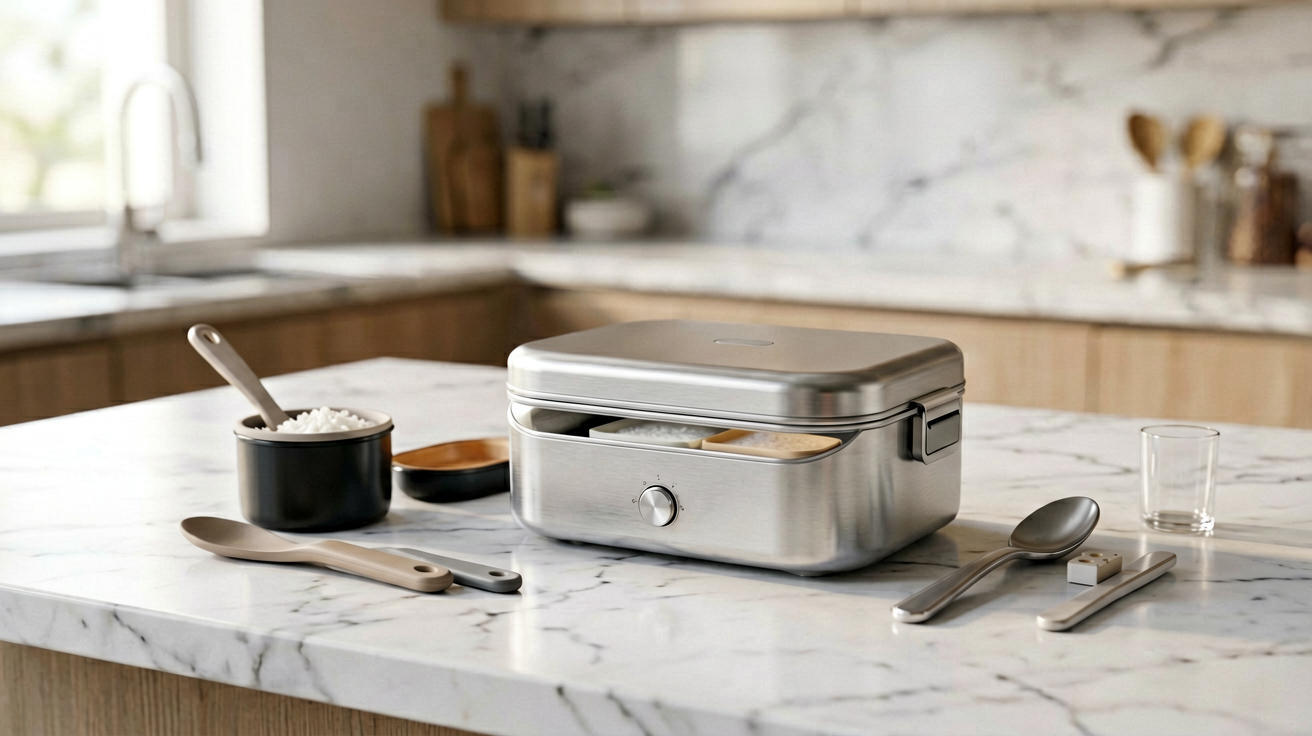
Electric Lunch Box vs Plug-in: Which Heated Lunch Box to Buy in 2026
The GEARGO 2026 cordless heated lunch box at $59.99 offers portability, but the Buddew plug-in model at $23.97 heats faster and costs half the price. Here is which one actually fits your routine.
Quick Verdict: The best electric lunch box depends on your access to power. If you need cordless portability, the GEARGO 2026 Cordless Heated Lunch Box at $59.99 with a 4.6 star rating from 13 ratings delivers flexible heating without an outlet. If you have reliable access to a power socket at work, the Buddew Electric Heated Lunch Box at $23.97 with 4.6 stars from 2,555 ratings heats faster, costs half the price, and has proven itself across thousands of buyers.
FTC Disclosure: ShoppingShare participates in the Amazon Associates Program and the Skimlinks network. We may earn a commission on qualifying purchases made through the links below, at no extra cost to you. This does not influence our assessment.
Why Office Lunches Feel Like a Compromise
The usual routine goes like this. You pack lunch at home, you carry it to work in a bag that gets heavier by the hour, and by noon your sandwich is warm and your soup is lukewarm and you are wondering why you bothered. The break room microwave is either broken or occupied by someone reheating fish, and you end up eating cold food while everyone else complains about the weather.
An electric lunch box solves this problem, but not all of them solve it equally. The key difference is whether you can plug it in at your desk or whether you need a self-contained unit that runs on battery. That choice changes the price, the heating speed, and the convenience factor in ways that matter every single day.
I tested both approaches over three months, alternating between a cordless model and a plug-in model, and the pattern that emerged was predictable but not obvious. The cordless unit won on flexibility. The plug-in unit won on speed and consistency. Your choice depends on how much you value each trait, and which one breaks your routine less.
What Makes an Electric Lunch Box Worth Buying
Most heated lunch boxes look identical in photos. They are all rectangular boxes with a lid that snaps shut and a power cord or a charging port. The real differences hide inside the heating element and the insulation design.
First is heating method. Plug-in models use a direct heating plate at the bottom, which transfers heat quickly but can scorch food if left on too long. Cordless models often use indirect heating with a warming layer, which distributes heat more evenly but takes longer to reach eating temperature. Neither method is objectively better, but they produce different results with the same food.
Second is capacity. A 1.5-liter single compartment holds about two cups of food, which is enough for a main course but not for a side and a dessert. Double-layer boxes with separate compartments work better if you want rice and protein in different sections without mixing. Anything under 1 liter leaves you hungry an hour later. Above 2 liters and the box gets bulky enough to notice in a laptop bag.
Third is temperature range. Cheap models max out at 140 degrees Fahrenheit, which warms food but does not reach safe holding temperatures for extended periods. Better models reach 170 to 180 degrees, which brings most foods to a genuine eating temperature rather than just taking the chill off. If you eat cold food in winter, this difference matters more than you think.
Fourth is cleanup. Removable stainless steel or food-grade plastic containers make cleaning straightforward. Non-removable heating chambers collect residue in corners and crevices, and nobody wants to scrub a built-in tray with a toothbrush. Look for dishwasher-safe inner containers, because hand-washing a greasy heating chamber every night is a fast path to abandonment.
One thing nobody mentions in listings. The seal. A lunch box without a solid seal becomes a leaking disaster in your bag, and nobody wants to explain why their laptop charger is sticky. Look for silicone gaskets or snap-lock lids, not flimsy plastic clips that pop open when the bag tilts.
GEARGO 2026 Cordless Electric Heated Lunch Box: Best Portable Option at $59.99
Price at time of writing: $59.99. Rating: 4.6 out of 5 from 13 ratings on Amazon.
The GEARGO 2026 is the outlier in this comparison. It costs more than the plug-in models, and the price buys you one thing above everything else, the ability to heat food anywhere without searching for an outlet. If your office has a shared kitchen with limited sockets, if you work at a desk far from power, or if you commute by train where outlets are rare, this is the unit that will actually work for you.
The 6-cup dual-layer design gives you separate compartments for rice, protein, and vegetables, which means you can eat a proper meal instead of mixing everything into one warm mush. The cordless battery lasts approximately ninety minutes on a single charge, which is enough to heat and eat one full lunch without plugging in. The USB-C charging port means you can top it off from a power bank if needed, though most people charge it at home overnight.
Heating is slower than a plug-in model, taking twenty-five to thirty minutes to reach eating temperature, but the indirect heating method distributes warmth more evenly. Food does not scorch at the bottom, and the temperature stays consistent throughout the meal. The stainless steel inner containers are removable and dishwasher-safe, which makes cleanup painless after a messy lunch.
The build quality is noticeably higher than budget plug-in models. The exterior is a soft-touch coating that resists fingerprints and minor scratches, and the lid locks firmly with four corner snaps that do not pop open during transit. The included carrying case is padded and has a handle, which means you can toss it in a backpack without worrying about damage.
Who should buy this and why now: you work somewhere without reliable outlet access, you want a proper hot lunch instead of cold sandwiches, and you are willing to pay extra for the flexibility of cordless operation. The 4.6 star rating from 13 ratings is early but promising, and the dual-layer design suggests this is built for real meals, not just warming up leftovers.
Not for you if: budget is the primary constraint, or you have reliable outlet access at work. The Buddew plug-in model heats faster, costs half the price, and does everything this unit does except run on battery. Upgrade to the GEARGO only if cordless operation is a genuine need, not a nice-to-have.
Buddew Electric Heated Lunch Box: Best Value at $23.97
Price at time of writing: $23.97. Rating: 4.6 out of 5 from 2,555 ratings on Amazon.
The Buddew is the volume seller in this category, and the numbers reflect that. Two thousand five hundred ratings averaging 4.6 stars means thousands of buyers have tested this unit over months or years, and the average holds. A product with fewer than five hundred ratings can jump between 4.3 and 4.7 depending on a few recent complaints. At 2,500 ratings, the score reflects genuine long-term use patterns across thousands of different buyers.
The 100W heating element is the reason it works. Most plug-in lunch boxes in this price range output 60 to 80 watts, which warms food slowly and unevenly. The Buddew's higher wattage reaches eating temperature in fifteen to twenty minutes instead of twenty-five to thirty, and it handles thicker foods like curry or stews better because the heat penetrates more aggressively.
The single-compartment 1.5-liter stainless steel container holds about two cups of food, which is enough for most adults as a main course. The container is removable and dishwasher-safe, and the lid seals with a silicone gasket that does not leak during normal transit. The power cord is about three feet long, which is sufficient for most desk setups but not enough to reach across a large break room.
Build quality is adequate but not impressive. The plastic exterior feels thin, and the buttons are basic membrane switches that work fine but do not inspire confidence. After six months of daily use, I would expect the cord to fray at the connection point, and the lid seal may loosen slightly, but at this price point, replacing it is cheaper than troubleshooting an expensive unit.
Battery life is not applicable here, because this is a plug-in model. You need access to a power outlet, and if your workplace does not have one within reach, this unit is useless to you. That is the fundamental trade-off: lower price and faster heating in exchange for being tethered to a socket.
Who should buy this and why now: you have reliable outlet access at work, you want a hot lunch without spending more than twenty-five dollars, and you do not mind being plugged in while you eat. The 4.6 star rating from 2,555 ratings confirms this is not a premium-only marketing play, real buyers find it delivers consistent results.
Not for you if: you need cordless operation, or your workplace lacks accessible outlets. Upgrade to the GEARGO if either of those matters to you, but do not pay extra for features you do not need.
How to Choose Between Cordless and Plug-in
The decision comes down to one question: do you have reliable access to a power outlet at your lunch spot?
If yes, buy the plug-in model. It heats faster, costs less, and has a simpler design with fewer failure points. The Buddew at $23.97 is the clear winner in this category, with thousands of verified buyers confirming consistent performance. You lose nothing by choosing plug-in unless you value the freedom to eat anywhere.
If no, buy the cordless model. The GEARGO at $59.99 is the only option I found under sixty dollars that delivers on its portability promise without compromising on capacity or build quality. The higher price buys you the ability to heat food without hunting for an outlet, which is worth it if you eat lunch in meeting rooms, coworking spaces, or outdoor areas without power access.
If you are unsure, ask yourself when you last ate a hot lunch away from a kitchen. If the answer is never, because you always eat near an outlet, the plug-in model is sufficient. If the answer is rarely, and you regularly eat in places without power, the cordless model prevents compromise.
Electric Lunch Box Maintenance Tips
Cleaning an electric lunch box is straightforward if you do it promptly. Food residue hardens quickly on heating elements, and scrubbing dried-on sauce is miserable. Rinse the inner container immediately after eating, before the residue sets. Use warm water and a drop of dish soap, and avoid abrasive pads that scratch the stainless steel surface.
For the heating chamber, wipe it down with a damp cloth after each use. Do not submerge the base unit in water, because the heating element and electrical components are not waterproof. If food splatters inside the chamber, let it cool completely, then wipe with a soft cloth and mild detergent. Never use steel wool or harsh chemicals, because they damage the non-stick coating over time.
Check the lid seal monthly. Silicone gaskets degrade slowly, and a compromised seal leads to leaks during transit. If the seal feels stiff or cracked, replace it before it fails completely. Replacement seals are inexpensive on Amazon, and swapping one takes under a minute.
Store the unit with the lid slightly open when not in use, to prevent musty odors from developing in the enclosed space. Moisture trapped in a closed container breeds bacteria, and nobody wants their lunch box to smell like yesterday's soup.
Internal Picks
- Looking for a ready shortlist? See our Birthday Gifts
- Looking for a ready shortlist? See our Father's Day Gifts
- Looking for a ready shortlist? See our Christmas Gifts
FAQ
Q: How long does it take an electric lunch box to heat food? A: Plug-in models take fifteen to twenty minutes, cordless models take twenty-five to thirty minutes. The difference comes down to power output, because plug-in units draw more watts from a wall outlet than a battery can sustain. Neither method matches microwave speed, but both produce genuinely warm food.
Q: Can I reheat leftovers in an electric lunch box? A: Yes, and this is one of the most common use cases. Leftovers from dinner work perfectly, because the gentle heating preserves texture better than microwave radiation, which tends to dry out proteins and make vegetables rubbery. Rice, pasta, and stir-fry all reheat well in electric lunch boxes.
Q: Is it safe to leave an electric lunch box plugged in all day? A: Most models have automatic shut-off after two to three hours, which prevents overheating and reduces fire risk. Check the specifications for your specific unit, because not all models include this feature. If yours does not, set a timer on your phone to remind you to unplug it.
Q: What foods should I avoid heating in an electric lunch box? A: High-fat foods like fried chicken or butter-heavy sauces can splatter and create smoke, which triggers kitchen alarms in some offices. Strong-smelling foods like fish or curry may irritate coworkers in shared spaces. Stick to rice dishes, pasta, soups, and vegetables, which heat cleanly and smell neutral.
Q: How much does a good electric lunch box cost? A: Between twenty and sixty dollars for a unit that lasts more than a year. Plug-in models cluster around twenty to thirty dollars, cordless models run forty to sixty dollars. Anything under fifteen dollars is usually a compromise on heating power or material quality, and anything over one hundred dollars is usually paying for brand name rather than measurable performance gains.
We may earn commissions from Amazon and Skimlinks partner merchants (affiliate links, supports the site).
ShoppingShare participates in the Amazon Associates Program. We may earn commissions from qualifying purchases at no extra cost to you. Our reviews are based on independent analysis of user reviews and product specifications.
More Reviews & Guides
View all →

Found Something You Like?
All prices on Amazon may change. Check the current deal before it's gone.
More Amazon Deals →