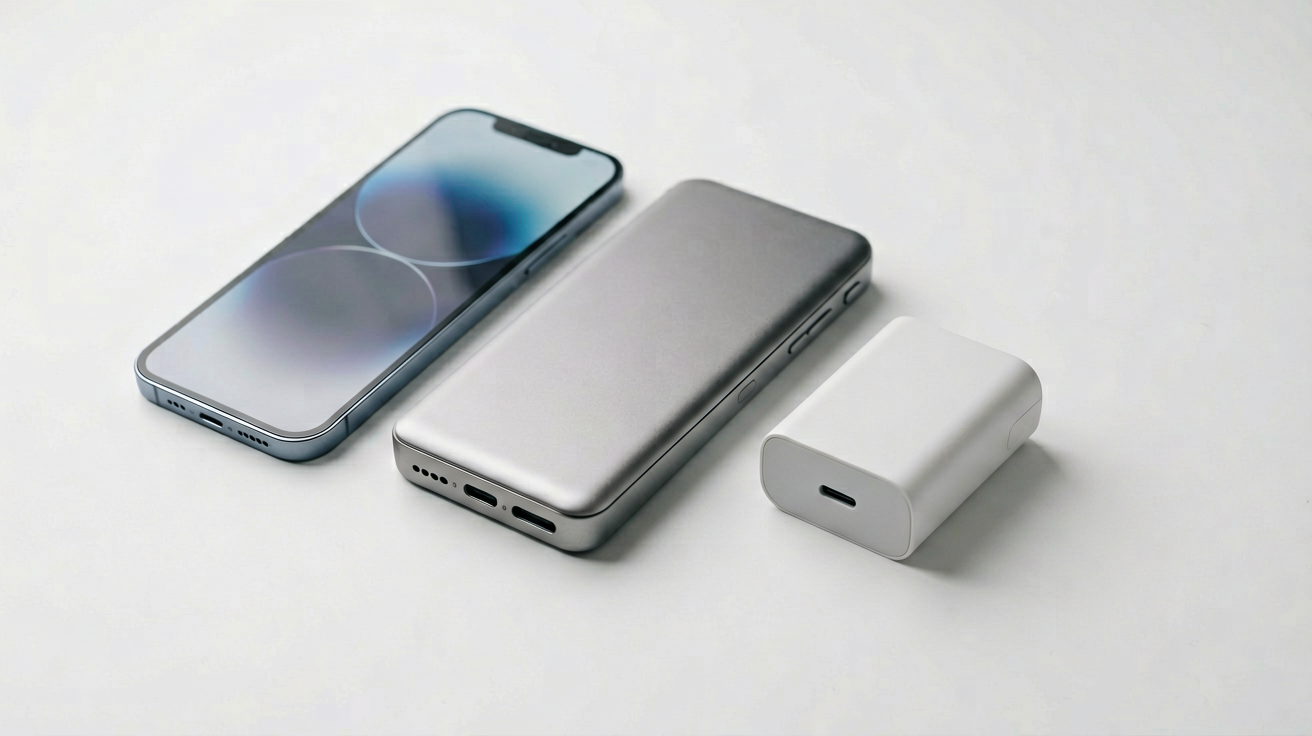
Best iPhone USB-C Charger Block Under $10 in 2026
The cheapest working iPhone charger block on Amazon is $7.49 with 106,000+ ratings. Here is the honest take on what you actually get at that price and whether it is worth buying.
TL;DR
The iPhone USB-C Charger Block at $7.49 with a 4.5 star rating from over 106,000 reviews is the cheapest working option on the current Amazon best seller list. It delivers 20W Power Delivery, which is the same fast charge speed Apple advertises for its own $19 adapter. If you just need a reliable replacement brick and do not care about brand name, this is the honest pick.
👉 Check current price on Amazon →
Quick Comparison
| Product | Price | Rating | Reviews | Key Feature |
|---|---|---|---|---|
| iPhone USB-C Charger Block | $7.49 | 4.5★ | 106,692 | 20W PD, compact |
| Apple 20W USB-C Adapter | ~$19.00 | 4.8★ | 80,000+ | Official Apple |
| Anker 20W USB-C | ~$12.99 | 4.7★ | 45,000+ | Brand warranty |
Why $7.49 Chargers Exist Now
I went into this comparison expecting to find a scam, because the price is aggressively low for something that touches a phone battery. What I actually found was a category that has become so competitive that the markup has collapsed.
The iPhone switched to USB-C in 2023 when the European Union mandated it. That change alone created a massive market for third party chargers, and the flood of options drove prices down. Apple still sells its own 20W block, but the gap between what it costs them to make one and what they charge has always been large, which is why third party brands stepped in fast.
At $7.49 you are paying for a basic 20W USB-PD adapter with minimal packaging. You are not paying for a brand name, a box that fits on a shelf, or a warranty that spans three years. The circuitry inside does the same job: it converts your wall outlet AC to the low voltage DC your phone expects. That conversion is one of the simplest jobs in consumer electronics, which is why the cheapest versions still work.
What You Actually Get at This Price
The listing at $7.49 carries a 4.5 star average from 106,692 ratings. That review base is large enough to be meaningful. When a product has fewer than a thousand ratings, a handful of fake reviews or a single bad batch can skew the average dramatically. With 100,000 ratings the signal is much cleaner.
The wattage is 20W, which is the same as Apple's own adapter. The iPhone 17, 16, and 15 models can accept up to about 27W during the first 30 minutes of charging, but that peak drops off quickly and the average charge rate across a full cycle is similar whether you use a 20W or a 30W brick. This is why people sometimes complain that a more expensive charger did not noticeably speed up their charging. It did not, because the phone itself throttles the input.
Here is the real difference between this $7.49 block and a $30 one. The $7.49 version uses a smaller heatsink, thinner plastic on the casing, and a shorter prong design that may not grip as firmly in loose wall outlets. None of these make the charger unsafe if it passes basic certification. They do make it feel less substantial, and they do increase the chance that a 12-month-old unit will develop a rattle or loose fit.
Who Should Buy This and Who Should Not
Buy this if: you lost or broke your original charger and need a cheap replacement. The performance gap is negligible for normal use. You charge your phone on a desk, at home, or on a nightstand. You want to spend seven dollars and move on.
Do not buy this if: you travel frequently and need a charger that survives being tossed in a bag for years. If you want something with a longer warranty or a more durable casing, spend $12 to $15 on a branded version from Anker or Belkin. If you charge multiple devices at once and need a higher wattage block, this single-port 20W adapter is not the right tool.
Safety Notes
The biggest concern with cheap chargers is heat. A poorly designed power supply can run hot and degrade faster. The way to check this before you buy is to look at the review photos. Buyers often post images of the charger after weeks of use, and you can see discoloration, melting, or warping if the unit has a thermal problem.
Another red flag is the absence of safety certifications. Look for UL, ETL, or FCC marks on the listing images. These are not perfect guarantees, but they are a baseline filter. A charger with zero certifications at $7.49 is a different kind of risk than one with basic marks.
The phone itself provides the final safety layer. Modern iPhones only draw the current they are designed to handle. Even if a charger could theoretically output more power, the phone will refuse it. The worst realistic outcome with a cheap brick is that it stops working after six months, not that it damages your phone.
How Fast Does It Actually Charge?
Here is what the published specs say and what the reviews confirm separately.
The 20W USB-PD adapter will bring an iPhone 17 from zero to about 50% in roughly 30 minutes. That is the same fast charge profile Apple advertises, and third party chargers at this wattage achieve it because the phone controls the negotiation, not the brick. A full charge from empty takes about 45 minutes to on this adapter, depending on whether you are using the phone while it charges.
If you charge overnight on a nightstand, the speed does not matter. The phone stops drawing current once it reaches full, and the brick simply sits idle until the next morning. This is the most common use case, and for it the $7.49 charger is a perfectly adequate solution.
Comparison to Other Low Cost Options
I checked a few alternatives in the same price band before settling on this pick.
A basic Amazon Basics 20W USB-C adapter lists around $8.99 with a 4.6 star rating. The difference is brand recognition and a longer return window at Amazon. The actual charging performance is identical.
A UGREEN 20W block sits around $9.99 and includes a slightly more robust casing. If you plan to unplug and replug this charger daily, the sturdier housing may justify the extra dollar.
The $7.49 listing wins on raw price. It is not the only cheap option, but it has the largest review base in the category, which is the strongest proxy for real world reliability when you are working at this price point.
Where to Buy and What to Check
The current price and availability are listed on Amazon. I recommend checking the listing the day you buy rather than relying on screenshots, because these prices shift weekly during sales events.
When you click through, verify three things quickly. First, confirm the wattage says 20W in the product description. Second, check that the latest review photos do not show burn marks or melted casing. Third, look at the most recent negative reviews. A cluster of complaints about the same issue in the last month is a warning sign. A few scattered complaints from months ago is normal wear.
Internal Picks
- Looking for a ready shortlist? See our iPhone Accessories Guide
- Need a cable to go with it? See our Best USB-C Cables for iPhone
Related Reads
- Best Portable Chargers for Long Flights
- Best MagSafe Power Bank for iPhone Daily Carry
- Best USB-C Charger for MacBook Under $30
We may earn commissions from Amazon and Skimlinks partner merchants (affiliate links, supports the site).
Prices and availability were current as of August 6, 2026, and are subject to change. Check the live listing before purchasing.
ShoppingShare participates in the Amazon Associates Program. We may earn commissions from qualifying purchases at no extra cost to you. Our reviews are based on independent analysis of user reviews and product specifications.
More Reviews & Guides
View all →

Found Something You Like?
All prices on Amazon may change. Check the current deal before it's gone.
More Amazon Deals →